
How To Unmask Safely: What To Do When Hiding Who You Are Becomes Habit

An honest reflection on safety, identity, and cultivating authenticity
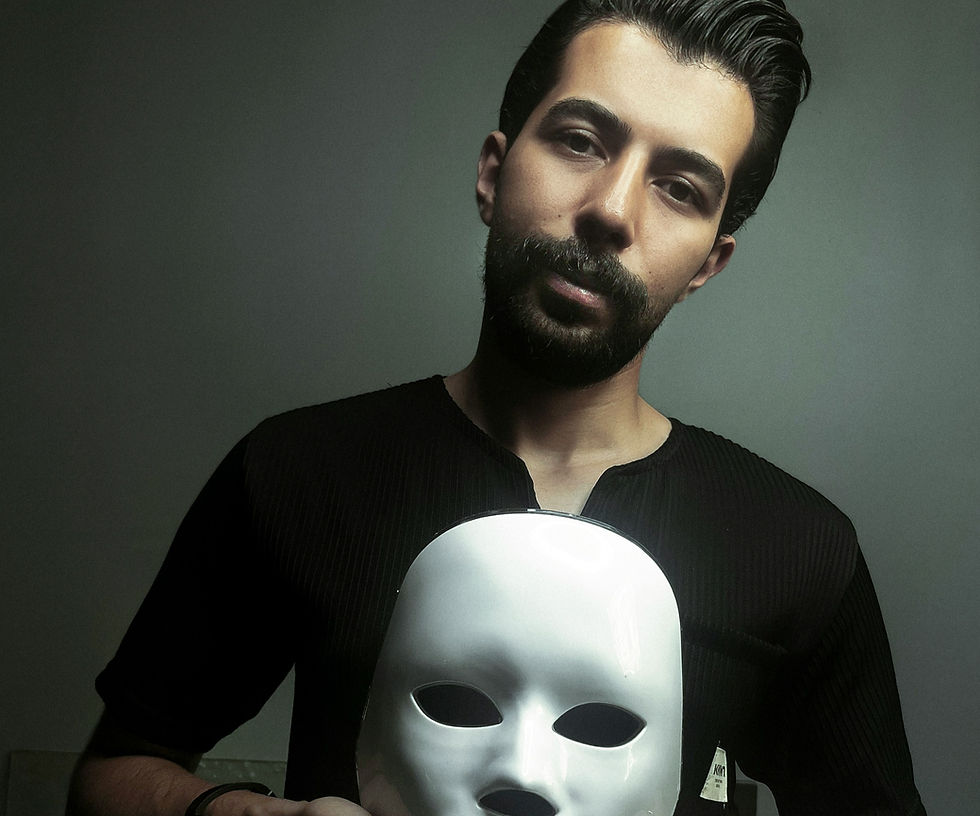
On Halloween, we put on masks and costumes for fun — to try on another version of ourselves, to play, to be bold in a way we might not feel allowed to be the rest of the year. But for many queer and neurodivergent people, wearing a mask isn’t seasonal or playful. It’s habitual. It’s often unconscious. And at one point, it may have been life-saving.
This time of year offers a fitting metaphor for something much deeper: the ways we conceal who we are to stay safe, avoid judgment, or simply function in spaces that weren’t built for us. The question isn’t “Why are you hiding?” but rather, “What made hiding feel necessary in the first place?”

What Is Masking in Neurodivergent and Queer Communities?
Masking refers to the learned behavior of concealing aspects of your identity, needs, or personality to blend in with social norms or avoid harm. In neurodivergent and LGBTQIA+ communities, this might mean:
Suppressing stims or neurodivergent communication patterns
Code-switching in language or behavior
Hiding relationship structures or gender expression
Performing "normalcy" to gain safety, access, or acceptance
For many of us, masking begins early in life and becomes so ingrained that we hardly notice we’re doing it. While it can serve a critical protective function, chronic masking can also lead to emotional exhaustion, burnout, identity confusion, and disconnection.
Why Do Neurodivergent and LGBTQ+ People Mask Their Identities?
Masking is usually about protection. People mask to navigate environments where authenticity is unsafe or discouraged. That might include schools, workplaces, religious settings, healthcare systems, or even family homes.
Sometimes the threats are direct — bullying, punishment, violence. Other times they’re subtle: social exclusion, side-eyes, coded language, or simply not seeing anyone like you reflected in leadership or media.
When the world tells you that being different is dangerous, you learn to adapt. And those adaptations can be brilliant. But over time, masking can also disconnect you from your values, your joy, and your sense of self.
The Emotional Cost of Masking and Hiding Your Authentic Self
I recently had a conversation with someone who felt frustrated by how automatic their masking had become. They wanted to be more themselves but felt like they couldn’t stop performing.
I understood. When you've learned that blending in is safer than being vulnerably seen, unmasking can feel like exposure. It makes sense that the nervous system would treat authenticity as a threat if, historically, being real got you hurt.
This is why unmasking isn't just a mindset shift. It's a relational, contextual, and often traumatic one. The cost of being real isn't always hypothetical. For many, the fear of backlash, loss, or harm is real. Masking isn’t just habit; it’s armor.
Why Self-Compassion Matters When You’re Masking to Survive
A peer recently shared how it felt to show up more authentically at work, and I responded, "That's awesome." It reminded me of someone who had expressed frustration about auto-masking. What I came back to was this:
Even the mask needs to be welcome.
Masks exist to be protective.
Cultivating space in your life where you need them less... that's restorative.
Trying to force ourselves to unmask without honoring why the mask is there in the first place can feel like rejecting the very self that got us through.
The parts of you that learned to hide? They were trying to keep you safe. They still are.
Instead of yanking the mask off, we can gently ask:
When do I notice myself masking?
Is it helping or hurting in this moment?
What am I afraid will happen if I stop?
Approaching masking with curiosity and compassion allows us to integrate the protective strategies we needed, without staying stuck in them forever.
How to Tell If You’re Masking Too Much: Signs and Symptoms
If you're not sure whether you're masking more than you want to, here are some common signs:
Feeling drained after social interactions, even with people you like
Editing your thoughts and tone constantly during conversation
Worrying that people only know a version of you, not the real you
Suppressing movement, emotion, or expression to seem "appropriate"
Feeling shame about joy, softness, or sensory needs
Masking can also show up as perfectionism, overachievement, or a compulsion to be useful or agreeable. These behaviors aren't always recognized as masking, but they often serve the same purpose: protection through performance.
Why Unmasking Can Be Complicated — and What to Do Instead
Unmasking can be deeply liberating. It can be a path to reconnecting with your values, reclaiming your identity, and feeling more fully alive. But it’s also complicated by personal experiences of vulnerability and privilege.
Unmasking requires safety. And safety isn’t evenly distributed.
Some people risk losing jobs, housing, or healthcare access if they show up more fully. Others risk family rejection, community exile, or personal violence. The ability to unmask can reflect privilege, and choosing to do so often involves real tradeoffs around security, relationships, and identity.
You don’t owe it to anyone to be your most authentic self in every room. That pressure can feel just as performative as masking.
What you do deserve is choice.
A realistic goal for today may not be to be unmasked everywhere. Instead, identify where you can be more yourself and let that space expand over time.
Creating Safe Spaces to Be Your Authentic Neurodivergent or Queer Self
You don’t need to start with radical acts of visibility. You can begin with small shifts:
Texting one friend without the social script
Dressing in a way that feels more aligned with your gender or sensory comfort
Letting yourself stim or move freely in private
Exploring your voice, your joy, your quirks, in safe company
Talking with a therapist who understands masking and neurodivergence
These moments remind your nervous system that being known is possible. That you can be real and safe. That you don’t have to choose between authenticity and belonging.
Finding Freedom in Authenticity: Life Beyond the Mask
On Halloween, we wear masks to be someone else. But in real life, you deserve spaces where you don’t have to perform in order to be accepted.
Unmasking isn’t about being brave or bold all the time. It’s about honoring your nervous system, your needs, and your values. It’s about gently noticing what you learned to hide — and offering those parts of you the safety they never had.
The real you isn’t too much. The real you isn’t broken. The real you is worthy of being known.
And if the mask has helped you survive, let that be honored, too. You can thank it. You can keep it close. And you can begin, little by little, to let yourself come home.
Helen Dempsey-Henofer LCSW ADHD-CCSP
Founder & Clinical Supervisor at Divergent Path Wellness


Comments